Scratching in the walls, droppings near food storage, gnawed packaging, or a sudden ammonia-like smell can all point to rodents moving through your space. When those signs show up, the next step is to get the problem assessed before it spreads to more rooms, more insulation, or hidden nesting areas.
Atlas Pest Control & Wildlife Removal helps property owners across Madoc, Ontario deal with mice and rats using a direct, practical approach. We focus on finding where rodents are getting access, reducing the current activity, and helping you make the space less inviting for a return.
Signs to watch
Rodents are often active long before they are seen openly. Homeowners usually notice the damage first, then the movement, then the smell. Paying attention early can keep a small problem from becoming a larger one.
- Droppings along baseboards, in cupboards, or near stored items
- Chewed paper, cardboard, wires, or plastic containers
- Scratching sounds at night from walls, ceilings, or crawl spaces
- Shredded nesting material tucked behind appliances or in hidden corners
- Unusual pet focus on certain walls, vents, or storage areas
- Greasy rub marks along pathways rodents use repeatedly
These signs matter even if you only see one or two of them. Rodents travel through narrow voids and often keep to the same routes, which means a few clues can reveal a much larger activity pattern.
How we approach it
Rodent control works best when the source is identified, not just the visible activity. We look for the conditions that let rodents stay inside, then build a plan around the problem areas that matter most.
Inspection focus
We check the places rodents tend to use first, including entry gaps, utility openings, storage spaces, and areas where food or nesting material may be available. The goal is to understand where the activity starts and how it spreads through the property.
Targeted removal
Once the activity is clear, we use a direct treatment approach suited to the situation. That may involve reducing active rodent presence in the affected areas and focusing on the locations where travel and nesting are most likely.
Prevention guidance
After the active problem is addressed, we point out the practical changes that can help keep rodents from returning. That can include storage habits, cleanup priorities, and access points that deserve attention.
Common rodent problems
Rats and mice can create different headaches depending on where they settle. Some problems stay hidden for a while, while others become obvious quickly through noise, mess, or damage.
- Kitchen activity
Food sources, crumbs, and packaging can attract rodents quickly. Cupboards, pantry shelves, and appliance gaps often become the first places to inspect.
- Wall and attic movement
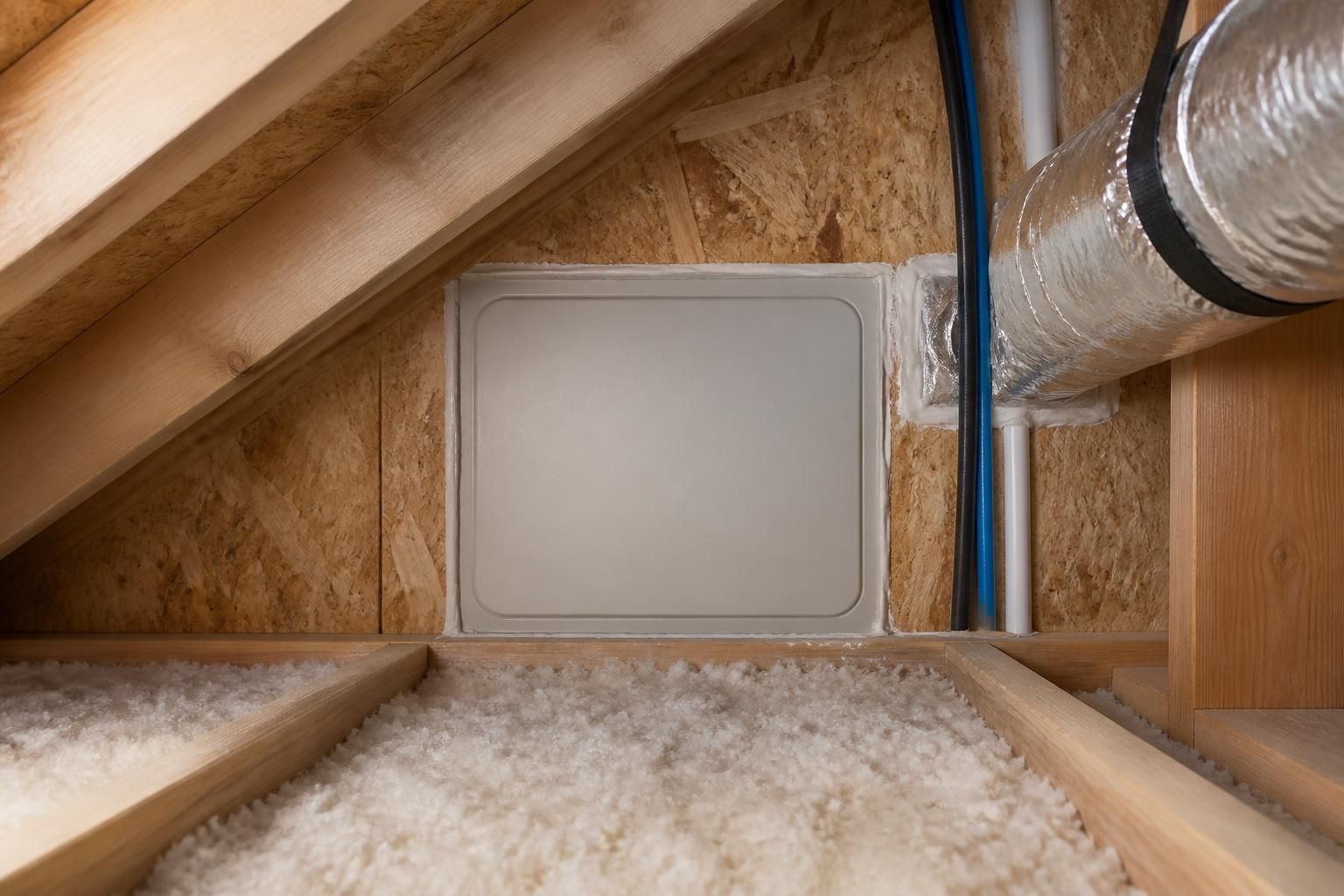
Scratching overhead or within walls often points to travel routes that are out of sight. These areas can also hold nesting material and droppings.
- Garage or storage use
Boxes, stored fabrics, and cluttered corners can give rodents quiet cover. If activity begins here, it can move deeper into the home.
- Commercial spaces
Businesses dealing with rodent activity need a careful approach that limits disruption while addressing the source. Storage rooms, break areas, and hidden voids often matter most.
What attracts rodents
Rodents do not need much to settle into a building. A small opening, a hidden food source, and a quiet nesting place can be enough. Understanding the attractants makes it easier to cut off the conditions that support them.
- Open food containers or accessible pet food
- Clutter that offers nesting material
- Small gaps around pipes, vents, or doors
- Spilled crumbs, grease, or stored waste
- Quiet spaces with little disturbance
Even tidy properties can have a rodent problem if access points are present. They only need a narrow entry and a sheltered route to stay active.
What to expect
When you contact Atlas Pest Control & Wildlife Removal, we start by learning what you have noticed and where the activity seems strongest. From there, we look at the property conditions that could be supporting the issue and decide how to move forward.
For many customers, the process includes a mix of inspection, treatment, and practical recommendations for reducing future activity. We aim to keep the process straightforward so you know what is happening and why each step matters.
Before the visit
If you have seen droppings, heard movement, or found chewed material, it helps to note where and when those signs appeared. That detail can point us toward the most likely routes and nesting spots.
During the visit
We assess the areas where rodents are most likely entering or traveling. The work centers on the active problem, not on broad, unnecessary measures that do not match the situation.
After the visit
You will know what signs to keep watching, which spaces may need added attention, and how to make the property less attractive to rodents over time.
Home and business support
Rodent control needs can look different from one property to another. A family home may have the issue centered around food storage or hidden wall movement, while a business may need help managing activity around stock rooms, kitchens, or shared work areas.
We provide residential pest control and commercial pest control support across Madoc, Ontario and nearby communities such as Belleville, Tweed, Stirling-Rawdon, Marmora and Lake, Centre Hastings, Prince Edward County, and Bancroft. The goal stays the same: reduce the active rodent problem and help you protect the space around it.
Residential concerns
In homes, rodents can affect kitchens, attics, basements, laundry spaces, and storage rooms. These are common places for droppings, nesting signs, and travel routes that go unnoticed at first.
Commercial concerns
In business settings, rodent activity can affect storage, customer areas, and staff spaces. A focused response helps limit disruption while addressing the source of the issue.
Simple prevention steps
After control work is completed, everyday habits can make a noticeable difference. These steps do not replace treatment, but they can reduce the conditions rodents look for.
- Store dry food in sealed containers
- Clean up crumbs and spills promptly
- Reduce clutter where rodents can hide or nest
- Keep garbage sealed and removed regularly
- Check for gaps near utility lines, vents, and doors
- Watch for new droppings or fresh gnaw marks
Small changes add up. The less cover, food, and access rodents have, the harder it is for them to stay active.
Common questions
How do I know if I have mice or rats?
Mice are often noticed through small droppings, faint scratching sounds, and tiny chew marks. Rats usually leave larger droppings and may cause more obvious damage. A close inspection helps sort out which type is present.
Will one sighting matter?
Yes. A single sighting can mean there is hidden activity nearby, especially if food, nesting material, or access points are present. It is worth checking right away rather than waiting for more signs.
Where do rodents usually hide?
They often hide behind stored items, inside wall voids, around appliances, in attics, basements, and along cluttered edges. Quiet areas with easy access to food are the most likely starting points.
Can rodents come back after treatment?
They can if access points remain open or if the property still offers food and shelter. That is why prevention advice matters after the active problem is addressed.
What signs show nesting activity?
Shredded paper, fabric, insulation, or other soft material arranged in hidden corners can point to nesting. You may also notice concentrated droppings or repeated activity in the same area.
How soon should I act after finding droppings?
Act as soon as you can. Fresh droppings usually mean recent activity, and fast action gives you a better chance to limit spread, damage, and hidden nesting.
Talk with us
If you are dealing with rodent activity at a home or business in Madoc, Ontario, Atlas Pest Control & Wildlife Removal is ready to help you take the next step. Call +14169384362 or email atlaspestservice@hotmail.com to arrange a visit during our regular hours.