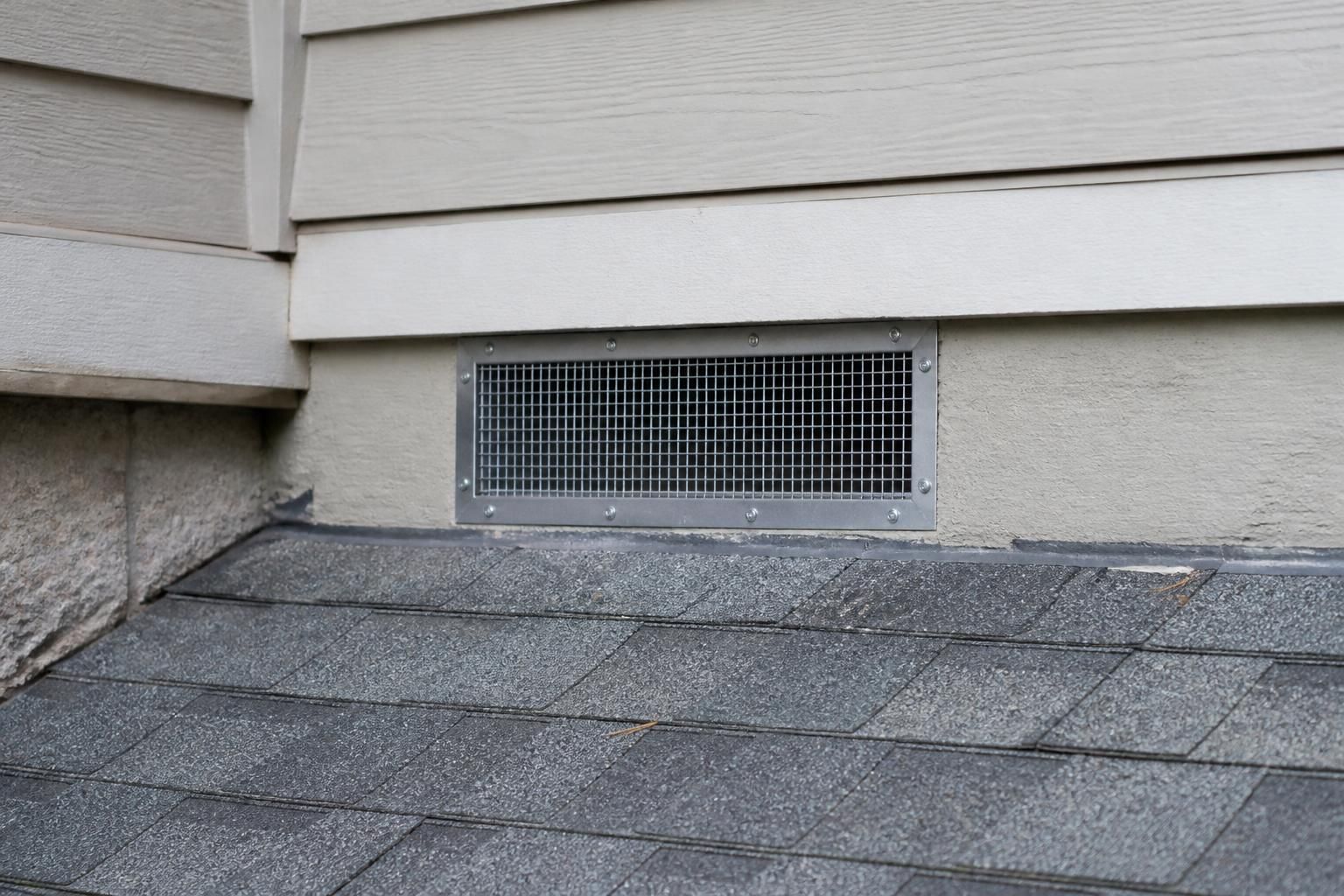
Scratching above the ceiling, movement in the walls, or sudden activity around vents can mean wildlife has moved closer than it should. When that starts happening at your home or property, the problem rarely stays small for long.
Atlas Pest Control & Wildlife Removal helps property owners across Madoc, Ontario deal with unwanted wildlife calmly and carefully. We focus on removing the animal, reducing repeat entry, and helping you get back to normal without guesswork.
Signs to watch
Wildlife problems often begin with small clues before they turn into major damage. The earlier you act, the easier it is to limit mess, stress, and structural harm.
- Unusual sounds: Scratching, thumping, scurrying, or dragging noises in walls, attics, or crawl spaces.
- Entry marks: Chewed openings, bent flashing, torn vent covers, or disturbed soffit areas.
- Droppings or odor: Waste, strong smells, or stained insulation near a suspected nesting area.
- Outdoor activity: Repeated movement around decks, sheds, roof edges, or trash storage areas.
- Damaged materials: Torn insulation, shredded nesting material, or gnaw marks on wiring and wood.
Many homeowners first notice a sound at night and assume it will pass. If the signs keep returning, it is worth having the situation assessed before the animal becomes settled.
How removal works
Wildlife removal is most effective when it is handled as a process, not a one-step reaction. Atlas Pest Control & Wildlife Removal looks at how the animal got in, where it is active, and what needs to happen next to reduce the chance of repeat entry.
- Inspection of activity: We look for signs of entry, nesting, travel paths, and the areas that show the most use.
- Removal approach: The animal is removed using a method suited to the situation and the species involved.
- Entry point review: We identify openings or weak spots that may be allowing access.
- Follow-up guidance: You get practical direction on what to watch for after the service.
Not every wildlife problem looks the same. Some animals leave obvious signs, while others stay hidden until the noise, smell, or damage becomes hard to ignore. A careful approach helps avoid chasing the wrong clue.
Animals we handle
Wildlife issues can show up around roofs, attics, wall cavities, garages, sheds, and other sheltered areas. The goal is to remove the animal safely and address the conditions that made the area appealing.
Small entry pests
Smaller wildlife can fit through surprisingly tight openings and may build nests quickly once inside. Chewed edges, scattered nesting debris, and recurring sounds often point to this kind of problem.
Larger intruders
Larger animals can create more noticeable damage when they force their way into a structure. Torn openings, broken venting, and disturbed insulation are common warning signs that should not be ignored.
Repeated visitors
If an animal keeps returning to the same area, there is usually something drawing it back. That may be shelter, nesting space, or an opening that was never fully addressed.
Home damage risks
Wildlife does more than make noise. Once an animal settles inside a home or structure, it can create a series of problems that are expensive and frustrating to clean up later.
- Insulation damage: Nesting, tunneling, and droppings can ruin attic insulation.
- Odor buildup: Waste and nesting material can leave lingering smells.
- Contamination concerns: Waste can affect storage areas, surfaces, and hidden spaces.
- Chewed materials: Wires, wood, vents, and trim may be damaged by gnawing or forced entry.
- Repeat access: If the opening remains available, another animal may move in later.
For many property owners, the biggest frustration is not just the animal itself. It is the chain reaction that follows once the structure becomes easy to enter.
What homeowners should do
If you suspect wildlife activity, a few simple steps can help keep the situation from getting worse before service is scheduled.
- Keep distance: Avoid cornering, handling, or blocking the animal directly.
- Limit access: Close off unnecessary openings only if it is safe to do so without trapping anything inside.
- Protect food sources: Secure pet food, garbage, and bird seed where applicable.
- Note the signs: Write down when you hear sounds, where you see damage, and how often it happens.
- Call for help: Arrange a service visit before the animal settles deeper into the structure.
Trying to seal openings too early can sometimes make the problem harder to manage if an animal is already inside. A clear assessment helps determine the next step.
Service area support
Atlas Pest Control & Wildlife Removal serves Madoc, Ontario and nearby communities including Belleville, Tweed, Stirling-Rawdon, Marmora and Lake, Centre Hastings, Prince Edward County, and Bancroft. That local reach matters when wildlife activity appears at a home, cottage, or other property that needs prompt attention.
Different properties can show different patterns. Some situations involve attic access, while others start around sheds, porches, or utility openings. We adjust the approach to the site and the signs you are seeing.
If you are unsure whether the sounds or marks you noticed point to wildlife, it still helps to ask. A short conversation can clarify whether the situation sounds active and what the next step should be.
What to expect
Homeowners often want to know what will happen once the appointment is set. A straightforward visit can reduce stress and make the process easier to follow.
- Initial discussion: You describe the noises, damage, odors, or sightings you have noticed.
- Site check: We look over the affected areas and the places most likely to be involved.
- Action plan: The removal approach is explained before work begins.
- Service execution: We carry out the removal and address obvious access concerns where possible.
- Aftercare notes: You receive practical next steps for monitoring the area afterward.
Clear communication matters because wildlife situations can be unsettling. Knowing what was found and what was done helps you make informed decisions about the property afterward.
Common questions
What are the first signs of wildlife inside a home?
The earliest signs are often sounds at night, scratching in walls or ceilings, droppings, disturbed insulation, or chewed entry points. A strong or unusual odor can also point to activity inside a hidden area.
Can wildlife return after removal?
It can return if the entry point is still open or if the surrounding conditions remain attractive. That is why it helps to address both the animal and the access route.
Should I inspect the attic myself?
You can listen for sounds and look for visible signs from a safe distance, but avoid reaching into unknown spaces or trying to handle the animal. It is better to leave close contact to the service visit.
What areas of a home do wildlife use most often?
Attics, wall spaces, crawl spaces, roof edges, vents, sheds, and garages are common hiding and nesting spots. Animals look for quiet, sheltered areas with easy access.
Can one animal cause a lot of damage?
Yes. Even a single animal can tear insulation, damage vents, create odor concerns, and leave waste behind. If nesting begins, the damage can spread quickly.
How soon should I call after noticing activity?
It is wise to call as soon as the signs become repeatable. Early action can limit nesting, reduce property damage, and make the removal process simpler.
Ready for help
If wildlife is making noise, leaving marks, or settling into your property, Atlas Pest Control & Wildlife Removal is ready to help in Madoc, Ontario. One careful visit can give you a clearer picture of what is happening and what needs to be done next.
For wildlife removal service, contact us at atlaspestservice@hotmail.com or call +14169384362. Our hours are Monday to Friday, 7:00 AM to 6:00 PM, Saturday 8:00 AM to 4:00 PM, and Sunday 8:00 AM to 2:00 PM.