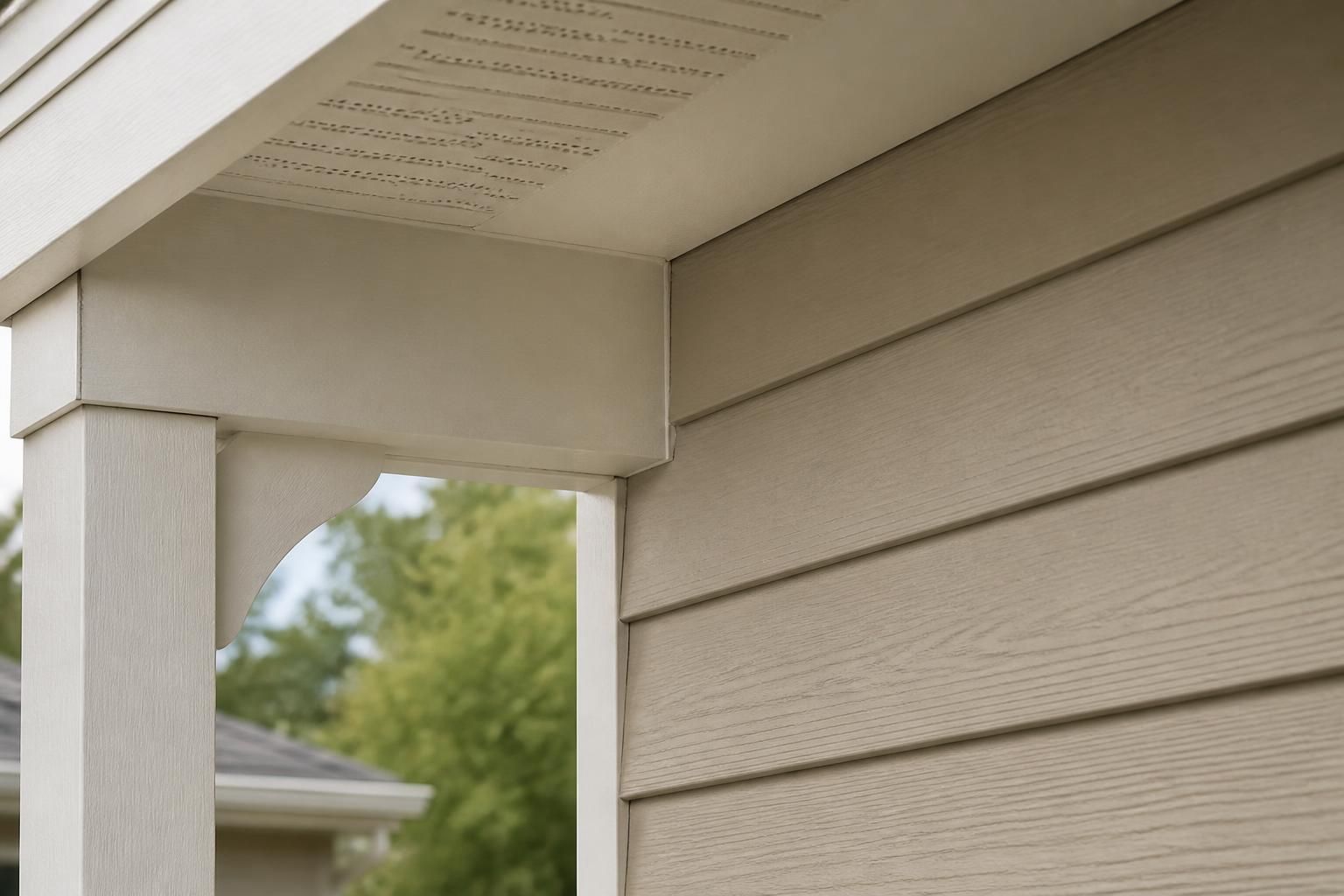
Wasps circling the porch, nesting under eaves, or building near a shed can turn everyday outdoor space into a place you avoid. If you have noticed steady traffic around one spot, heard buzzing inside a wall, or found a nest starting to form, the safest next step is to deal with it before it grows.
Atlas Pest Control & Wildlife Removal helps property owners across Madoc, Ontario with practical wasp control that focuses on the nest, the activity around it, and the conditions that keep wasps coming back. We handle the problem with care so you can get back to using your yard, entryways, and outdoor areas with less worry.
Wasp problems
Wasps often start small, then become a larger concern as the nest develops and the colony becomes more active. A few insects near a doorway can quickly turn into a pattern of aggressive flight paths, especially when a nest is close to places people use every day.
Common signs include repeated wasp traffic around a single opening, paper-like nesting material tucked under a ledge, insects slipping into cracks, or a nest hanging from a branch, beam, or soffit. You may also notice wasps focused on the same gap in siding, trim, or a vent cover.
We look at the activity around the nest as well as the location itself. That helps us choose a removal approach that matches the situation instead of treating every wasp problem the same way.
Where nests start
Wasps build where they have shelter, access, and a quiet place to expand. On residential and commercial properties, that often means tucked-away areas that are easy to miss until the nest is active.
Common nest spots
- Eaves and roof edges
- Sheds and outbuildings
- Decks, railings, and outdoor seating areas
- Wall gaps, vents, and trim openings
- Tree branches, shrubs, and fence lines
- Inside wall voids or enclosed spaces
Wasp control works best when the nest site is identified early. If the colony is hidden, activity around the entrance can be the first clue. If the nest is exposed, the shape, size, and level of traffic help guide the next step.
How we treat it
Atlas Pest Control & Wildlife Removal starts by assessing the nest location, surrounding activity, and any access points that may be drawing wasps into the structure. That allows us to choose a focused treatment approach rather than making the problem worse by disturbing it without a plan.
- Locate the source. We trace the wasp activity back to the nest or entry point.
- Assess the risk. We look at where the nest sits, how active it is, and whether the area is exposed or enclosed.
- Treat the nest. We address the nest itself and the surrounding area as needed.
- Review the site. We check nearby areas for signs of secondary activity or a second nest.
- Share next steps. We explain what to watch for after treatment and where future activity may appear.
This type of work is about more than knocking down a visible nest. If the colony is spread through a structure or if there are multiple nesting points, those details matter.
Signs to watch
Some wasp problems are obvious. Others build quietly until a homeowner notices repeated movement in one area or finds a nest during routine outdoor work. If you are unsure whether the insects you are seeing are wasps, the pattern of behavior can still point to a nest nearby.
What homeowners notice
- Wasps returning to the same crack, opening, or ledge
- Buzzing around soffits, vents, or trim
- A visible nest under a roof edge or deck
- Increased wasp activity near outdoor garbage or food areas
- Insects entering and leaving a small gap in a wall or shed
When wasps start using the same route repeatedly, that usually means there is a nest or nest start nearby. The earlier that pattern is addressed, the easier it is to limit expansion.
Stay safer outdoors
Until the wasp problem is dealt with, simple changes can reduce contact and lower the chance of provoking the colony. These steps do not solve the nest, but they can help keep the area calmer while you wait for treatment.
Practical precautions
- Keep distance from any visible nest or heavy activity zone
- Avoid striking, spraying, or sealing a nest opening on your own
- Move food, drinks, and garbage away from active areas
- Limit repeated movement near entry points where wasps are gathering
- Watch for new traffic around decks, sheds, vents, and roof edges
Wasps react quickly when they feel threatened, so quick attempts to remove a nest without identifying the full site can create a bigger problem. A careful approach is usually the smarter one.
Residential and commercial help
Wasp control matters for houses, cottages, rental properties, storefronts, and workplaces across Madoc, Ontario. Where people gather, a nest near a doorway, patio, storage area, or loading point can interrupt routines and make outdoor space less usable.
Atlas Pest Control & Wildlife Removal helps with wasp control for both residential and commercial properties. We can address visible nests and active nesting sites that affect entrances, work areas, and exterior spaces used by staff, customers, or family members.
For property owners, the goal is simple: reduce the activity, remove the nest source, and help keep the area from becoming a repeat problem. That often means looking beyond the nest itself and checking the surrounding structure for access points.
After treatment
Once a nest has been treated, it is important to keep an eye on the area for any remaining traffic. Sometimes the nest was the main source. Other times, there may be a second small nest nearby or activity continuing from another opening.
After service, pay attention to the following:
- Repeated wasp traffic near the same opening
- New insects appearing around the treatment site
- Fresh nest material under eaves or ledges
- Activity returning to a wall gap, vent, or shed corner
If the same area becomes active again, it may need another look. We can help assess whether the original source was fully addressed or whether there is another location drawing insects to the property.
Common questions
How do I know if it is a wasp nest?
Look for a steady stream of wasps entering and leaving the same spot, especially near eaves, vents, sheds, or wall openings. A visible paper-like structure also points to a nest.
Can wasps nest inside walls?
Yes, wasps can use small openings and build inside enclosed spaces. In those cases, outside activity may be the clearest sign that a nest is hidden within the structure.
Should I close the opening myself?
Sealing an active opening without treating the nest first can trap wasps inside or push them to another route. It is better to identify the source before closing anything.
What if I only see a few wasps?
A small amount of activity can still mean a nest is forming nearby. If the same insects keep returning to one area, it is worth checking sooner rather than later.
Do wasps reuse old nesting spots?
They can return to favorable areas if the conditions remain right. That is why it helps to check the surrounding structure, not just the visible nest.
Can you help with wasps around both homes and businesses?
Yes. Atlas Pest Control & Wildlife Removal provides wasp control for residential and commercial properties across Madoc, Ontario and nearby service areas.
Book service
If wasps are keeping you from using your yard, porch, entryway, or work area, it is time to address the nest directly. Atlas Pest Control & Wildlife Removal provides wasp control across Madoc, Ontario with a careful focus on the source of the activity and the areas around it.
Call +14169384362 or email atlaspestservice@hotmail.com to arrange service. We are available Monday through Friday from 7:00 AM to 6:00 PM, Saturday from 8:00 AM to 4:00 PM, and Sunday from 8:00 AM to 2:00 PM.